What is Naval Architecture & Marine Engineering?

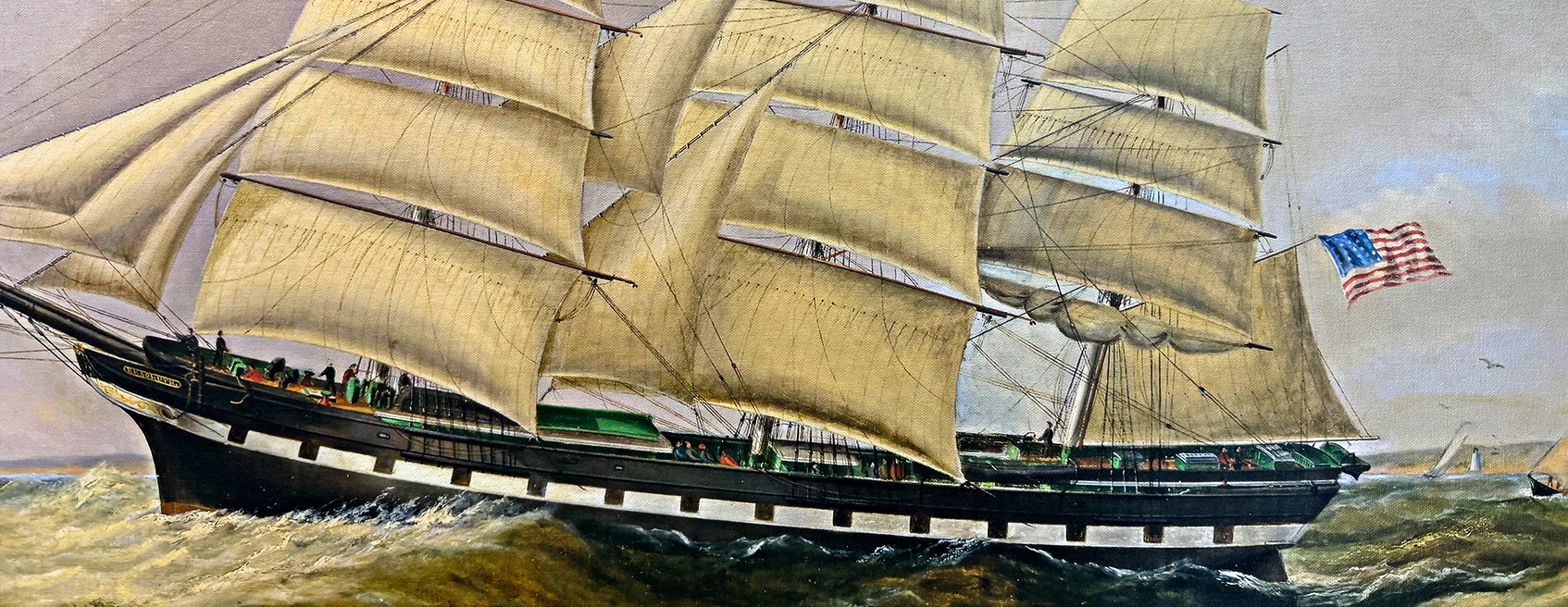
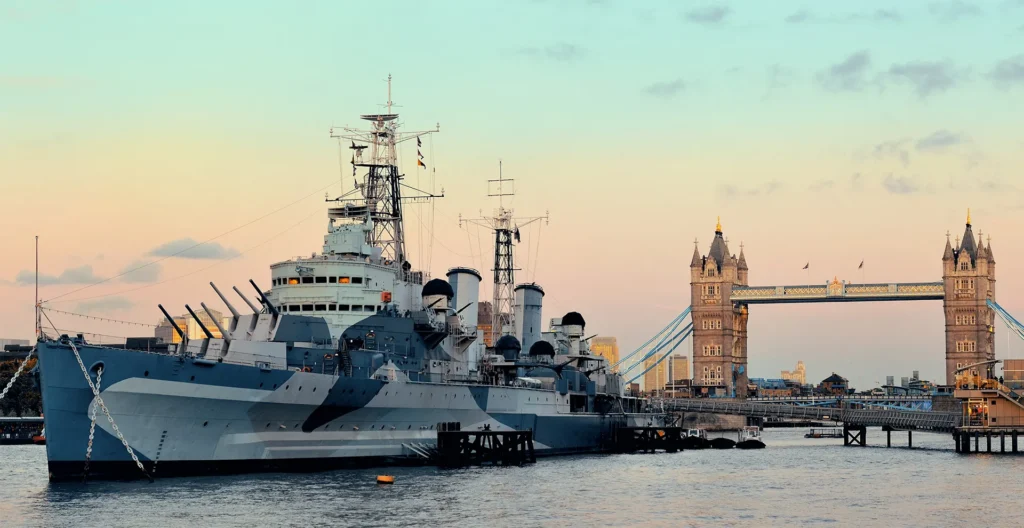
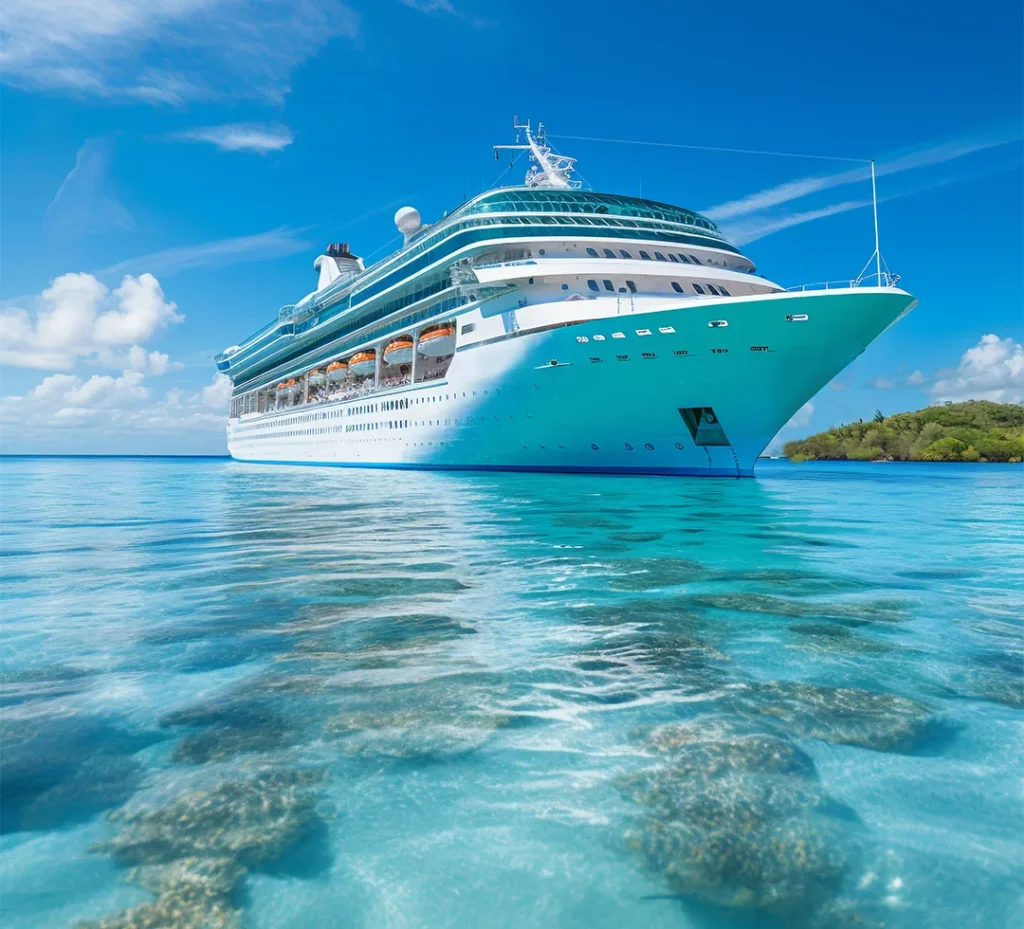
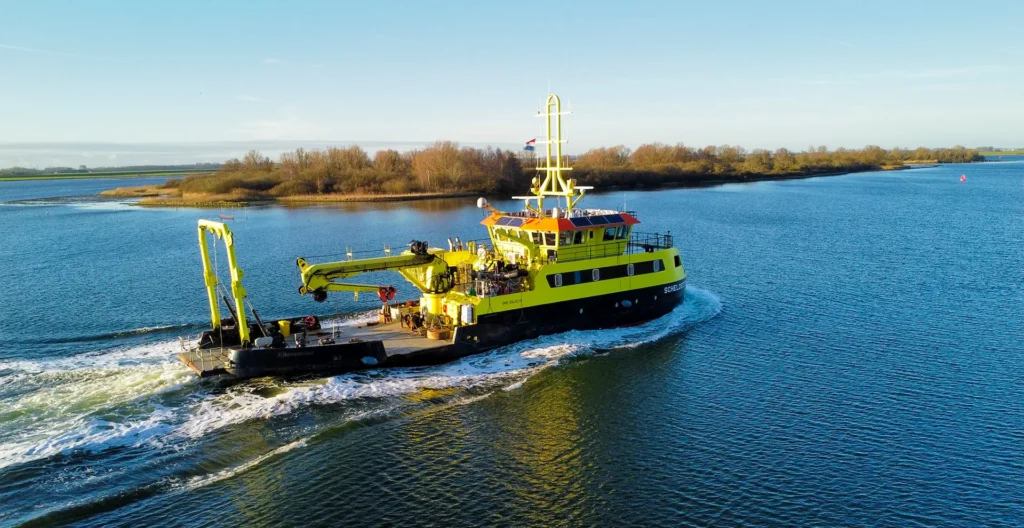
Naval architecture and marine engineering bring together art, science, systems thinking, and design to create the vessels and technologies that move across, under, and through the water.

Naval Architecture

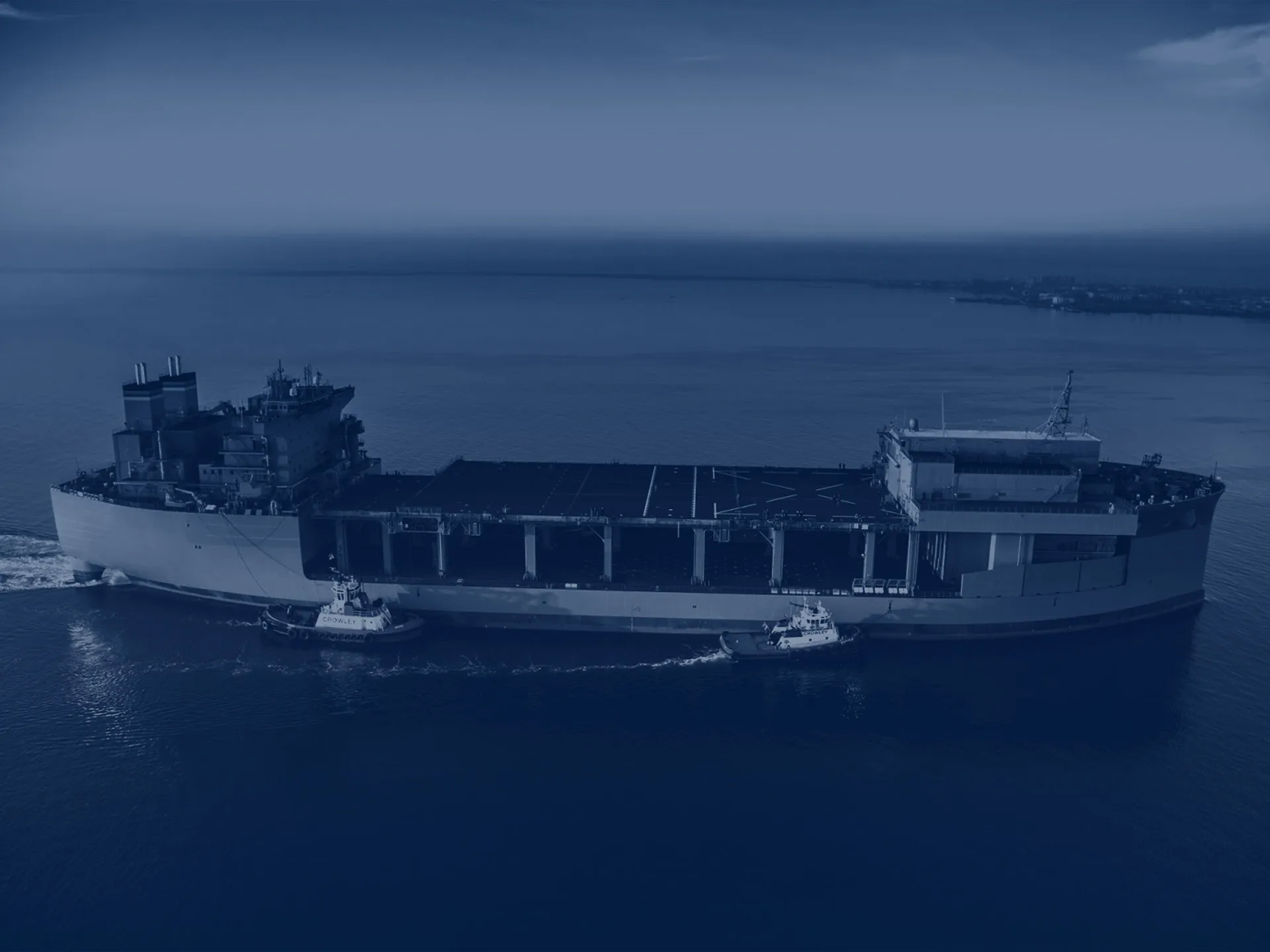
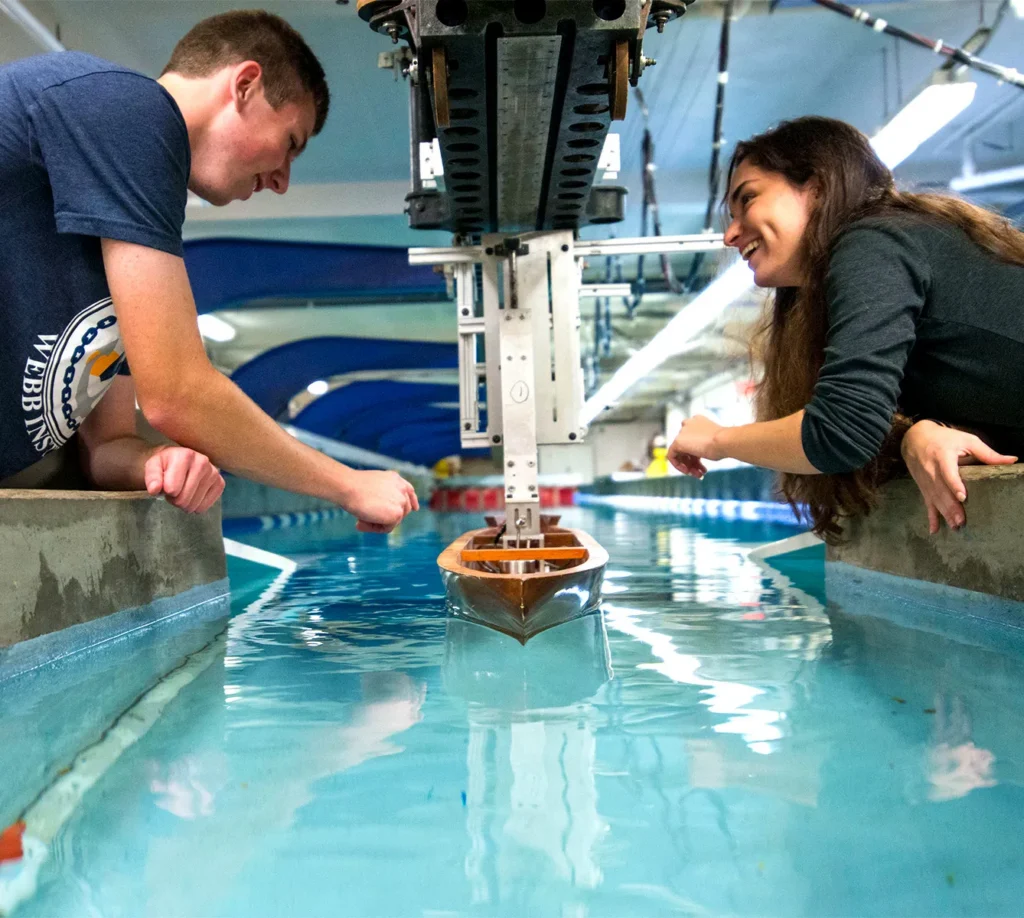
Naval architects design floating vessels and determine how they move, perform, and endure. They shape hull forms, evaluate stability, study resistance and propulsion, and design structures that can withstand the forces of the marine environment.

It is a field where creativity meets precision. A naval architect must understand not only how a vessel looks, but how it behaves—how it carries weight, moves through waves, responds to wind and water, and safely fulfills its mission.

Marine Engineering

Marine engineers design the systems that bring vessels to life. From propulsion and power generation to auxiliary machinery, controls, electrical systems, and onboard services, they make sure every part works together safely and efficiently.

Their work turns a vessel from a structure into a functioning, self-sustaining system. Every component must fit, every system must support the mission, and every decision must account for performance, reliability, safety, and space.

Working as a Team

A ship is often described as a floating city. It must generate power, move people or cargo, support life and work onboard, communicate, navigate, and operate safely—often far from shore.

That is why naval architects and marine engineers work together. One discipline shapes how the vessel moves through the water; the other integrates the systems that allow it to operate. Together, they design complete marine vehicles for a changing world.

History of Webb

History of Webb

For more than a century, Webb has prepared students for careers in naval architecture, marine engineering, and the wider maritime industry. Founded by shipbuilder William H. Webb, the college was built around a clear idea: educate the people who will design, build, and lead the future of ships.

That legacy continues today. Webb remains a college unlike any other—focused, rigorous, practical, and deeply connected to the industry it serves.

Our Curriculum

At Webb, every student studies Naval Architecture and Marine Engineering through a prescribed four-year curriculum. That shared academic path builds a strong foundation in engineering, mathematics, science, ship design, marine systems, humanities, communication, and professional practice.

The result is a Webb education that is both highly specialized and widely applicable. Students graduate prepared for the maritime industry—and equipped with the systems thinking to lead wherever complex engineering challenges arise.

Established 1889

Design for the sea. Lead beyond it.

See how Webb can prepare you for a future in engineering, leadership, and the maritime world.